Effective management is essential to run any business, it is like the backbone on which the whole business stands. In this highly competitive environment, it is easy to overlook something so backend like stock management. Is it however, important to understand that ineffective inventory management can lead to significant losses, wasted resources, and missed opportunities for growth.
In this blog post, we will explore the significance of inventory organization, the costs of neglecting it, and how proper stock optimization can improve your business operations.
What is Inventory Management?
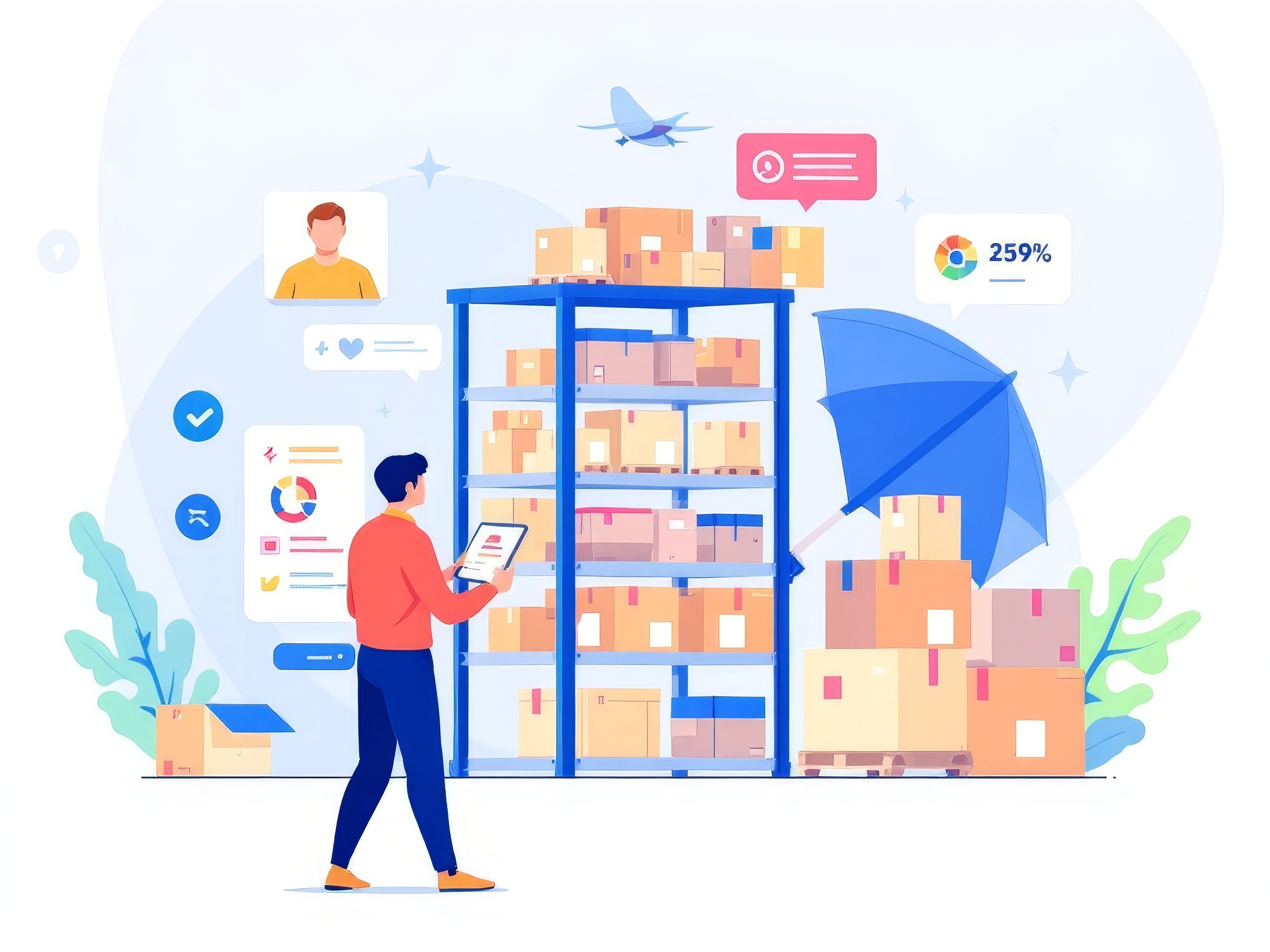
Inventory management is the process that involves management of movement and storage of goods in a business. Inventory includes stock of:
- Finished Goods
- Unfinished goods (work-in-progress)
- Raw material
- Repair and maintenance items
The process involves tracking stock levels, orders, sales, and deliveries to ensure that products are available when needed, without overstocking or understocking. The goal is to maintain a balance between supply and demand while minimizing costs and maximizing profits.
Effective inventory optimization includes a variety of tasks such as:
- Tracking stock levels: Keeping an accurate record of what is in stock and when new stock needs to be ordered.
- Managing stock alerts: Setting up systems to notify managers when stock levels are low or when certain products are running out.
- Optimizing stock rotation: Ensuring that products are sold in a timely manner, particularly those with expiration dates or limited shelf life.
- Inventory forecasting: Using data to predict future demand and adjust stock levels accordingly.
The Cost of Ignoring Inventory Management
Ignoring proper management of inventory can cause many issues that might lead to a lot of problems in the business. These problems may not be noticed in the beginning but may become the cause of major losses in the future. Here are some of the costs associated with neglecting proper management of inventory:
Stockouts
When a business is not paying attention to the management of inventory, there are high chances that it might face issues like stockouts. Manual organization of inventory also leaves room for errors that might cause sudden stockouts. stockouts not only result in lost sales but also damage your reputation. Customers are less likely to return if they cannot get the products they need when they want them. This can cause a long-term negative impact on customer loyalty and lead to a decrease in revenue.
Inventory management solutions optimize inventory organization. These systems keep a proper track of items in the stock and have features like stock alerts which make sure that situations like low stock are avoided. These tools help ensure that your inventory is replenished before it runs out, keeping customers happy and your business running smoothly.
Overstocking
On the other end of the spectrum is overstocking, which occurs when businesses order more products than necessary to meet demand. Overstocking leads to use of capital in excess, which otherwise could have been used elsewhere. It also requires extra storage space, on top of that it might lead to inventory waste, especially if products become obsolete or expire.
Inventory optimization techniques can help businesses strike the right balance between understocking and overstocking. By leveraging real-time tracking systems and analytics, businesses can better anticipate demand and adjust stock levels accordingly.
Increased Operational Costs
Without proper management, businesses may experience inefficiencies in their operations. For example, employees may have to spend extra time searching for products, handling returns, or managing excess stock. These inefficiencies can lead to higher labor costs, reduced productivity, and slower fulfillment times. Moreover, the inability to accurately track stock can result in miscommunication between departments, causing delays and errors in order fulfillment.
Missed Sales Opportunities
Inventory mismanagement can lead to missed sales opportunities. If products are unavailable when customers are ready to purchase them, it could lead to lost revenue and customer dissatisfaction. On the other hand, having too many products that aren’t selling may tie up funds that could be used to invest in more popular or profitable items.
Effective management allows businesses to understand customer demand better, optimize stock levels, and ensure that popular items are always in stock.
The Benefits of Effective Inventory Management
Though sometimes ignored, effective stock management is a critical aspect of running a business. Here are the key benefits of an ideal system of inventory organisation:
Reduced Costs
By implementing inventory optimization strategies, such as just-in-time (JIT) inventory, businesses can reduce the amount of money tied up in inventory while ensuring they have enough stock to meet demand. Moreover, automated management solutions can help reduce labor costs and prevent human errors in tracking and ordering products.
Improved Cash Flow
Efficient management ensures that a business doesn’t over-invest in stock, thus freeing up capital for other business needs. By optimizing inventory turnover rates and reducing excess stock through the use of features like stock alerts, businesses can improve their cash flow and reinvest the savings into expanding other areas of the business, such as marketing or product development.
Better Decision Making
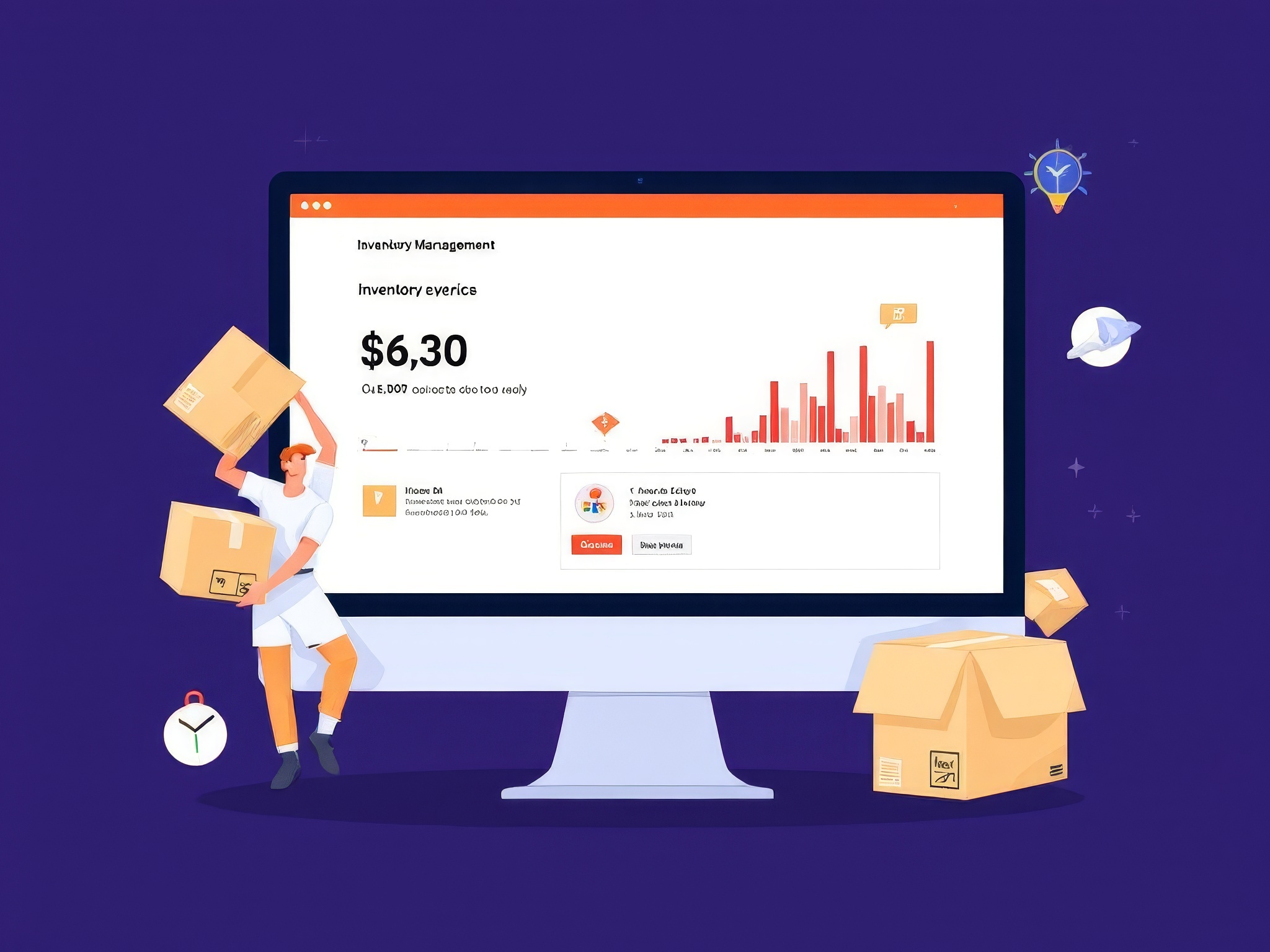
Inventory management systems provide real-time data on stock levels, sales trends, and order history. This information allows business owners and managers to make informed decisions regarding product procurement, sales strategies, and pricing. By leveraging data analytics and forecasting tools, businesses can predict demand more accurately, avoid stockouts, and reduce overstocking. This ultimately leads to better strategic planning and improved business performance.
Enhanced Customer Satisfaction
When businesses have the right products available at the right time, it leads to faster order fulfillment, fewer backorders, and fewer frustrated customers. Maintaining optimal stock levels and keeping customers informed about product availability will increase trust and loyalty, encouraging repeat business and positive reviews. All of these factors together will leave the customers satisfied.
Scalability
As businesses grow, so does the complexity of managing inventory. A well-structured management system allows businesses to scale operations without sacrificing accuracy or efficiency. Whether expanding to new locations, launching new products, or increasing order volume, inventory management solutions, especially a system like the OutOfStockLabs, help businesses maintain control over their inventory, ensuring smooth operations as they grow.
Conclusion
Inventory management is a critical component of running a successful business. Neglecting it can lead to financial losses, operational inefficiencies, and dissatisfied customers. By prioritizing inventory organization, businesses can streamline processes, reduce costs, and ensure they meet customer demands consistently.