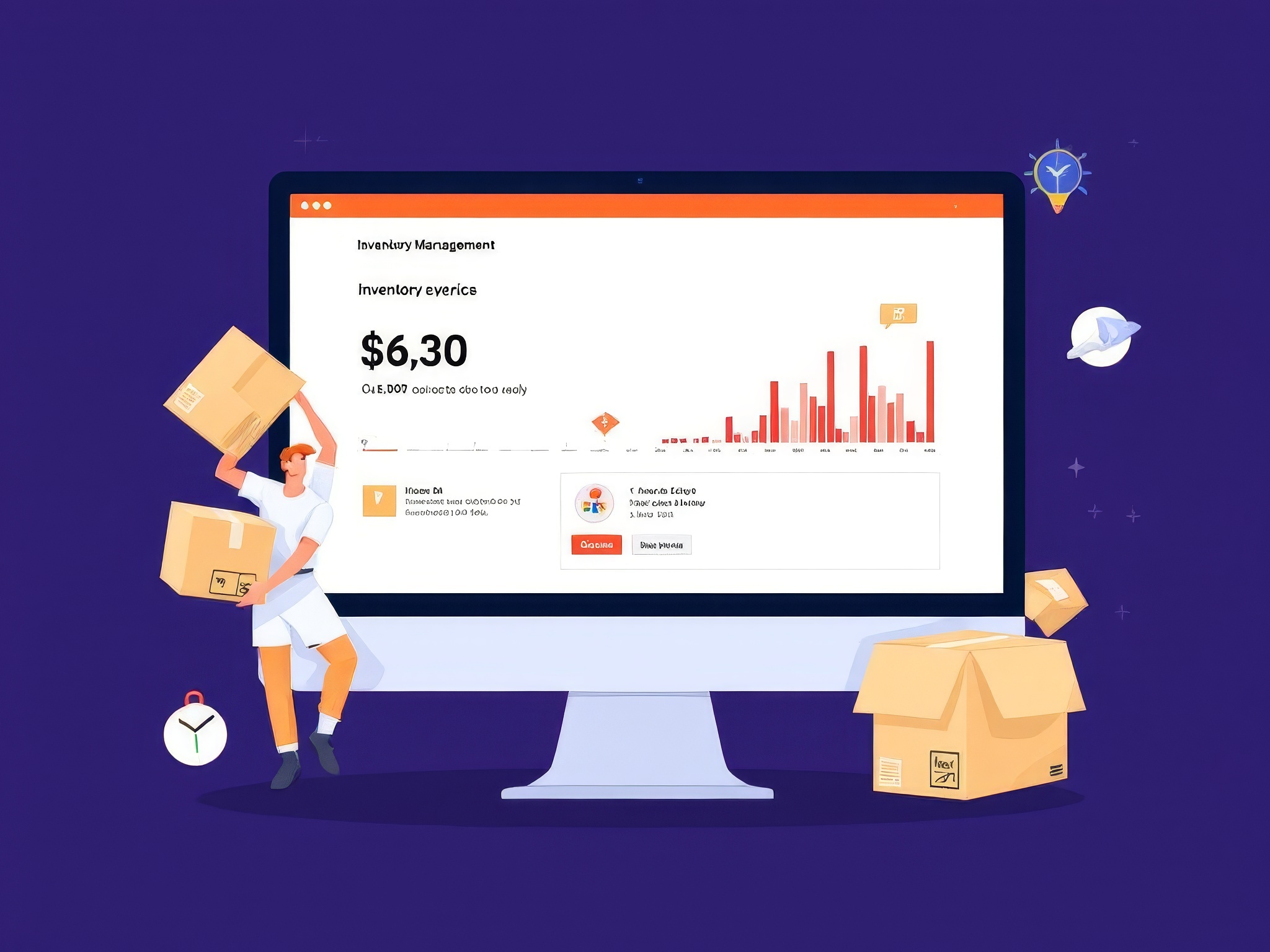
Inventory management is a critical aspect of managing a business, but traditional methods often lead to inefficiencies, inventory optimization tools through the use of various techniques, streamline the inventory management system. These tools are proving to be really helpful in smoothing the inventory system, which saves a lot of time and resources, leaving a business with enough time to invest in the growth of the business.
In this blog, we will delve into the key benefits of inventory optimization, how they work, and why they are essential for smarter business decisions.
What Are Inventory Optimization Tools?
Tools that are designed to organize the inventory management system of a business are known as inventory optimization tools. These are advanced software systems that utilize data analysis, machine learning, and predictive analytics to manage and optimize inventory levels. These tools aim to ensure that businesses have the right products in the right quantities at the right time.
The key features of such softwares are:
- Demand Forecasting: The data related to customer demand, stock use, sales trend etc is collected and can be used for demand forecasting.
- In stock alerts: Apps like the OutOfStockLabs, have the option of setting alerts when the stock is running low.
- Automation: These apps automate tasks that are usually manual and time consuming.
- Analytics: Offer detailed reports on inventory performance, turnover rates, and cost savings.
Key Benefits of Inventory Optimization Tools for Your Business
Stock management tools are very beneficial for a business to grow, here are the key benefits:
Enhanced Inventory Management
One of the primary advantages of inventory handling tools is their ability to improve inventory accuracy. Businesses can minimize errors in stock tracking and ensure they have sufficient inventory to meet customer demands. This business automation which minimizes errors, leads to an efficient business management.
Reduced Holding Costs
Excess inventory can tie up valuable capital and increase storage expenses. These tools help minimize these costs by ensuring that stock levels are precisely managed. This management avoids unnecessary warehouse expenses and also free up cash flows that can be used for other purposes.
Reduced Risk of Stockouts
These business automation tools forecast the product demand based on the previous data, which enables a business to avoid sudden stockouts. The feature of low stock alerts acts as another layer of protection against running out of stock unprecedentedly.
Operational Efficiency
Streamlining inventory processes through automation boosts operational efficiency. This reduces manual intervention, eliminates errors, and allows teams to focus on strategic tasks. These tools automate stock replenishment and simplify inventory tracking and reporting.
Improved Cash Flow and Profitability
By optimizing inventory levels, businesses can improve cash flow and overall profitability. Having the right amount of stock reduces unnecessary expenditures and increases the ability to reinvest in growth opportunities.
Enhanced Supply Chain Resilience
Inventory optimization tools strengthen supply chain resilience by identifying potential disruptions and mitigating risks. This ensures that businesses can adapt to changing market conditions seamlessly.
Customer Satisfaction
When products are consistently available and delivered on time, customer satisfaction naturally improves. These optimization tools help businesses meet customer expectations reliably. Faster order fulfillment builds customer trust and loyalty.
Informed Decision-Making
Features like in stock alerts provide actionable insights that empower businesses to make informed decisions. These tools consolidate data from multiple sources, offering a comprehensive view of inventory performance.
Greater Sustainability
Efficient inventory management reduces waste and promotes sustainability. By maintaining optimal stock levels, businesses can minimize excess inventory that might otherwise go unused.
How Inventory Optimization Tools Drive Smarter Decision-Making
By now you would have gotten plenty of ideas as to how beneficial a stock management tool is for a business. Now take a look at how having such a tool can help in mankind smarter decision making:
Data-Driven Insights
Inventory optimization relies on advanced analytics to provide businesses with precise, actionable insights. This allows companies to make informed decisions based on real-time data rather than guesswork.
- Predictive analytics: Forecast future inventory needs, enabling proactive decision-making.
- Customizable dashboards: Visualize key metrics to understand inventory trends.
Increased Efficiency Through Automation
Manual inventory management can be time-consuming and prone to errors. Automation eliminates these inefficiencies, ensuring that inventory processes are seamless and accurate.
- Automated replenishment: Reorder stock automatically when levels drop below a set threshold.
- Workflow integration: Sync with other business tools for a cohesive inventory management system.
Risk Mitigation
Inventory optimization tools help businesses identify potential risks, such as stock outs or overstocking, and implement strategies to mitigate them.
- Scenario planning: Test different supply chain strategies to identify the best course of action.
- Supplier management: Monitor supplier performance to ensure timely deliveries.
Competitive Advantage
Businesses that leverage optimization tools can stay ahead of competitors by maintaining consistent stock levels and fulfilling customer orders promptly. This competitive edge is especially crucial in industries with fluctuating demand.
- Market responsiveness: Quickly adapt to changes in consumer behavior.
- Customer loyalty: Reliable service fosters long-term relationships with customers.
Enhanced Collaboration Across Teams
These tools enable better collaboration between departments by centralizing inventory data. Teams such as sales, procurement, and operations can access the same up-to-date information to align their efforts.
- Unified data: Ensure all teams are working with the same inventory metrics.
- Strategic alignment: Coordinate efforts for better outcomes.
Real-Time Alerts and Notifications
Timely alerts ensure that inventory managers are always aware of critical stock levels or potential disruptions. This allows for quick responses to unexpected changes.
- Proactive notifications: Get in stock alerts for low stock, delayed deliveries, or overstock situations.
- Faster resolution: Address inventory issues before they escalate.
Enhanced Forecast Accuracy
optimization tools improve the accuracy of demand forecasts by analyzing historical data, seasonal trends, and external factors. This reduces the risk of overstocking or understocking.
- Comprehensive analysis: Incorporate multiple data points for precise forecasting.
- Adaptability: Adjust forecasts based on real-time changes in demand.
Final words
The traditional methods of inventory management, in today’s fast paced world are just not enough. For a business to achieve efficiency in inventory management, making use of inventory optimization tools is a must. From reducing costs to enhancing operational efficiency, the benefits of these tools are undeniable.
Start exploring stock optimization solutions today and unlock the potential for smarter decision-making in your business. The OutOfStockLabs is the best stock management system out there, check out its features now.