In this highly competitive world, staying on top of the game is not easy. Businesses need to optimize every aspect of their business in order to stay on top. Business automation is an effective way of streamlining operations and reducing manual tasks. But with so many options available in the market, choosing one automation platform can be challenging.
This blog will act as a guide to help you decide what automation platforms are and what to look for in marketing automation platforms.
What Is Business Automation?
Business automation is the process of streamlining business processes that are mundane or don’t require a lot of human attention. An automation platform reduces the need for employees to spend hours on repetitive tasks, who can instead do something productive.
Automation tools and platforms are designed to integrate with existing systems, reducing errors and increasing productivity. For instance:
- Automation platforms can help businesses manage campaigns, track leads, and nurture customer relationships.
- Inventory optimization tools ensure stock levels are accurately maintained and prevent issues like overstocking or stockouts.
- Management systems streamline order processing, fulfillment, and supply chain operations.
It applies to a wide range of operations, including marketing, sales, inventory management, human resources, and finance.
Key Features to Look for in a Business Automation Platform
Automation platforms these days have a variety of features available, which aside from being a good thing can also be quite confusing. Here are the most important features, that an automation platform must include:
Ease of Use
A platform which has all the necessary features needed by a business to automate and is equipped with the best technology won’t be of any use if no one knows how to use it. Ease of use is one of the most important features of a business automation platform, wouldn’t it be ironic if a platform which is there to make things easier for you is difficult to use? Prioritize a platform with intuitive, user-friendly interfaces that allow team members to learn and adapt quickly.
Integration Capabilities
A robust platform should integrate seamlessly with your existing tools and systems. Whether you are using it to optimize your marketing operations, finance or everyday operations, it should be compatible to work across platforms. OutOfStockLabs is one such platform that offers compatibility with different file formats.
Example: A platform that integrates with Shopify, QuickBooks, and Salesforce can streamline e-commerce, accounting, and sales processes, ensuring data flows effortlessly between systems.
Customization and Scalability
Your chosen platform should adapt to your business’s unique needs. It should also be scalable, growing alongside your business as you expand your operations. marketing automation platforms should offer multi-location support, so that you can manage your business from a different location or multiple locations.
Pro Tip: Look for platforms with customizable dashboards, reports, and workflows to suit your specific requirements.
Automation Across Multiple Departments
An ideal platform should support automation across various business areas, including:
- Marketing: Campaign scheduling, lead nurturing, and analytics.
- Inventory Management: Tools for stock management, demand forecasting, and inventory optimization.
- Customer Service: Automated ticketing, chatbot responses, and feedback collection.
Real-Time Analytics and Reporting
Data driven decision making is vital, especially in times like these when a scenario can turn 360 within seconds. Choose a platform that provides real-time insights and customizable reports, enabling you to monitor performance and identify areas for improvement.
Security and Compliance
With increasing concerns about data privacy, ensure the platform adheres to industry standards for security and compliance. Features like data encryption, user access controls, and audit trails are crucial.
Powerful inventory optimization tools
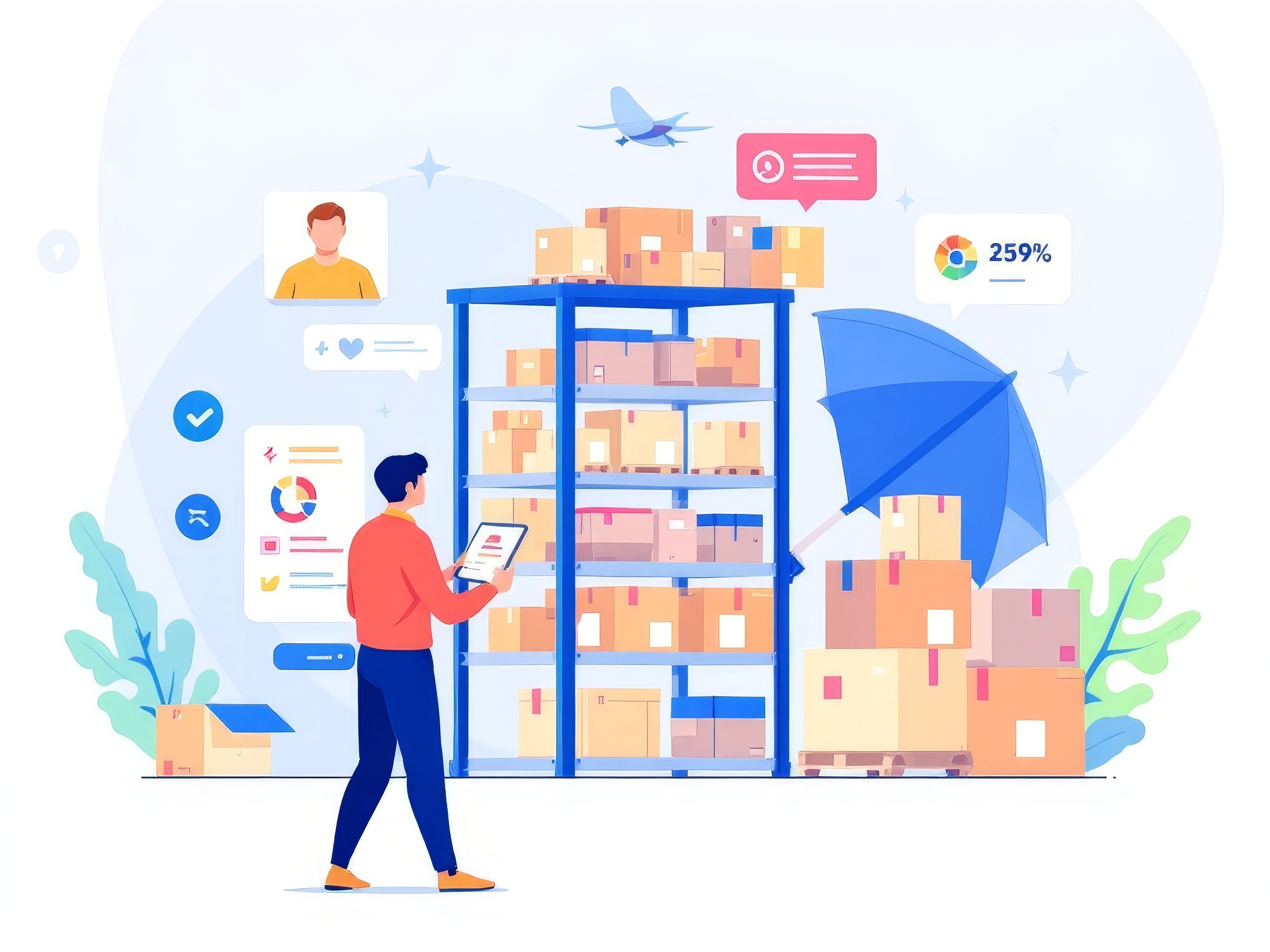
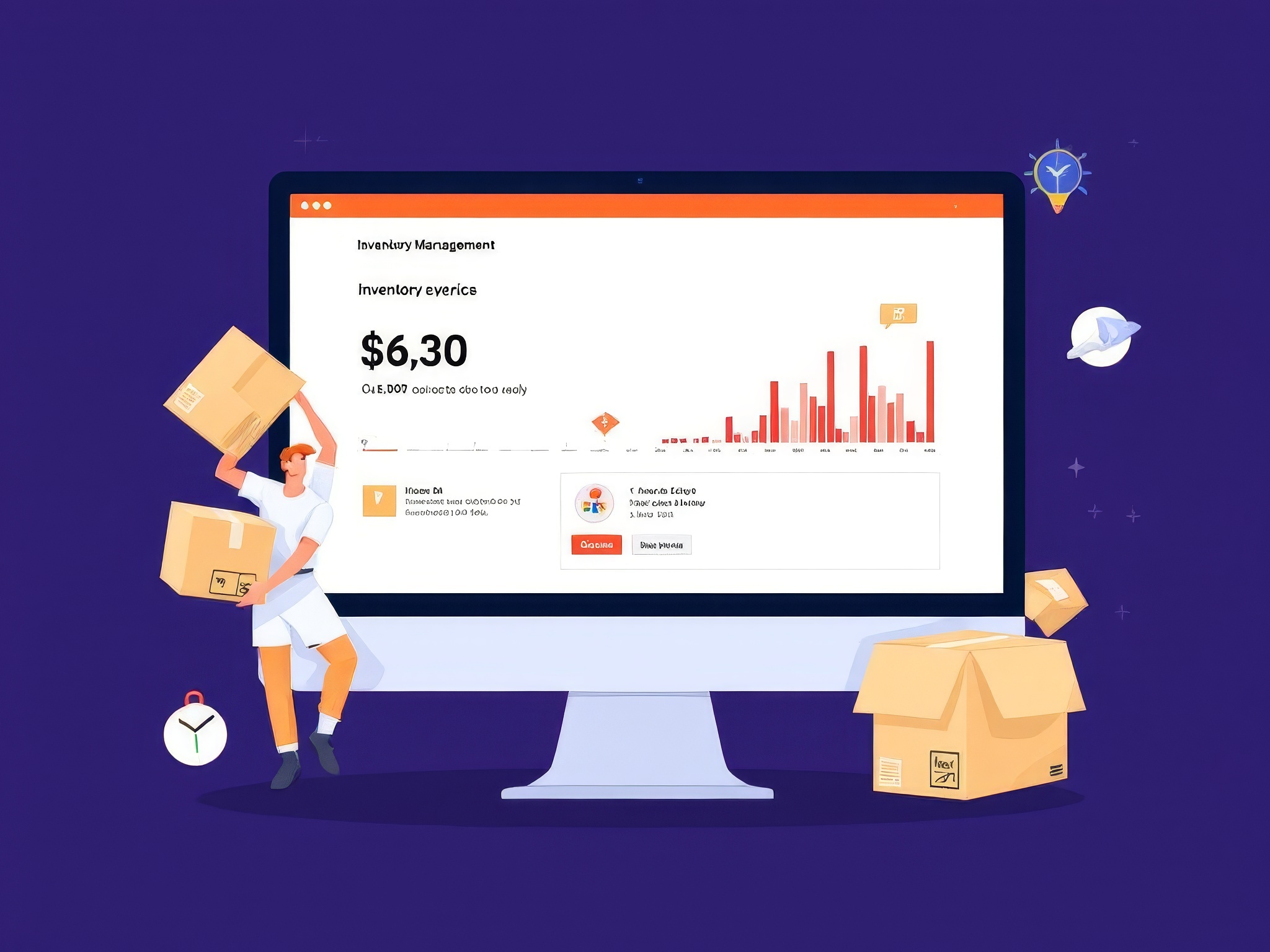
An ideal automation system should be capable of managing inventory efficiently, it should include features like stock alerts, cloud storage, robust backend filters, multi location access and more. Proper inventory management ensures that the business is running smoothly.
All-Inclusive Stock Updates
Choose an automation system that offers stock alerts for when the stock levels are getting low. The OutOfStockLabs goes one step ahead and gives you the freedom to choose when you want to receive notification and how often, making this software stand out from the rest.
How Business Automation Improves Key Business Areas
The benefits of business automation extend across various departments, driving efficiency and improving outcomes. Here’s how:
Marketing
Using marketing automation platforms, businesses can:
- Streamline Campaigns: Automate email marketing, social media posts, and advertising campaigns.
- Personalize Customer Experiences: Use data to create tailored content and offers for individual customers.
- Track Metrics: Gain insights into campaign performance with detailed analytics, helping you optimize future efforts.
Inventory Management
Automation tools designed for inventory optimization can:
- Prevent overstocking and stockouts by maintaining optimal stock levels.
- Send alerts to notify managers about low inventory or fast-moving items.
- Reduce carrying costs by optimizing storage and minimizing waste.
Example: Retailers can use automation to predict seasonal demand, ensuring they have the right products at the right time.
Sales and Customer Relationship Management (CRM)
Automation can:
- Track customer interactions and identify potential leads.
- Automate follow-ups, reminders, and personalized offers to nurture leads.
- Provide sales teams with actionable insights, improving conversion rates.
Human Resources (HR)
HR teams can use automation to:
- Streamline recruitment by automating resume screening and interview scheduling.
- Manage employee onboarding with automated workflows.
- Track performance metrics and schedule regular feedback sessions.
Finance
Financial automation tools can:
- Automate invoicing and payroll processing.
- Save money with features like stock alerts.
- Track expenses and generate real-time financial reports.
- Ensure compliance with tax regulations and financial audits.
Conclusion
Investing in the right business automation platform can revolutionize the way your organization operates. By prioritizing features such as integration capabilities, user-friendly interfaces, and real-time analytics, you can unlock efficiencies across departments.
With the right tools, businesses can streamline operations, improve customer experiences, and achieve sustainable growth. It’s time to embrace automation and take your business to the next level.