Did you know that even minor inventory discrepancies can significantly impact your bottom line? In today’s data-driven world, inventory optimization is no longer a luxury, but a necessity. From small businesses to large enterprises, having the ability to streamline inventory management can lead to improved cash flow, reduced waste, and enhanced customer satisfaction.
In this blog, we’ll explore how you can optimize your inventory using business mechanisation, marketing mechanization platforms, and other innovative strategies. By the end of this post, you’ll have a better understanding of how to improve your inventory management systems and stay ahead of the competition.
The Role of Business Automation in Inventory Optimization
Business automation has become a game-changer for companies looking to streamline their operations, and inventory management is no exception. By automating various processes within your business, you can gain greater control over stock levels and improve overall efficiency.
One of the biggest challenges in inventory management is forecasting demand accurately. Without the right tools, you may end up with either too much stock, leading to increased storage costs, or too little, resulting in stockouts and missed sales. Automation can help you solve these problems by using data-driven insights to predict demand more accurately.
Automated Inventory Tracking
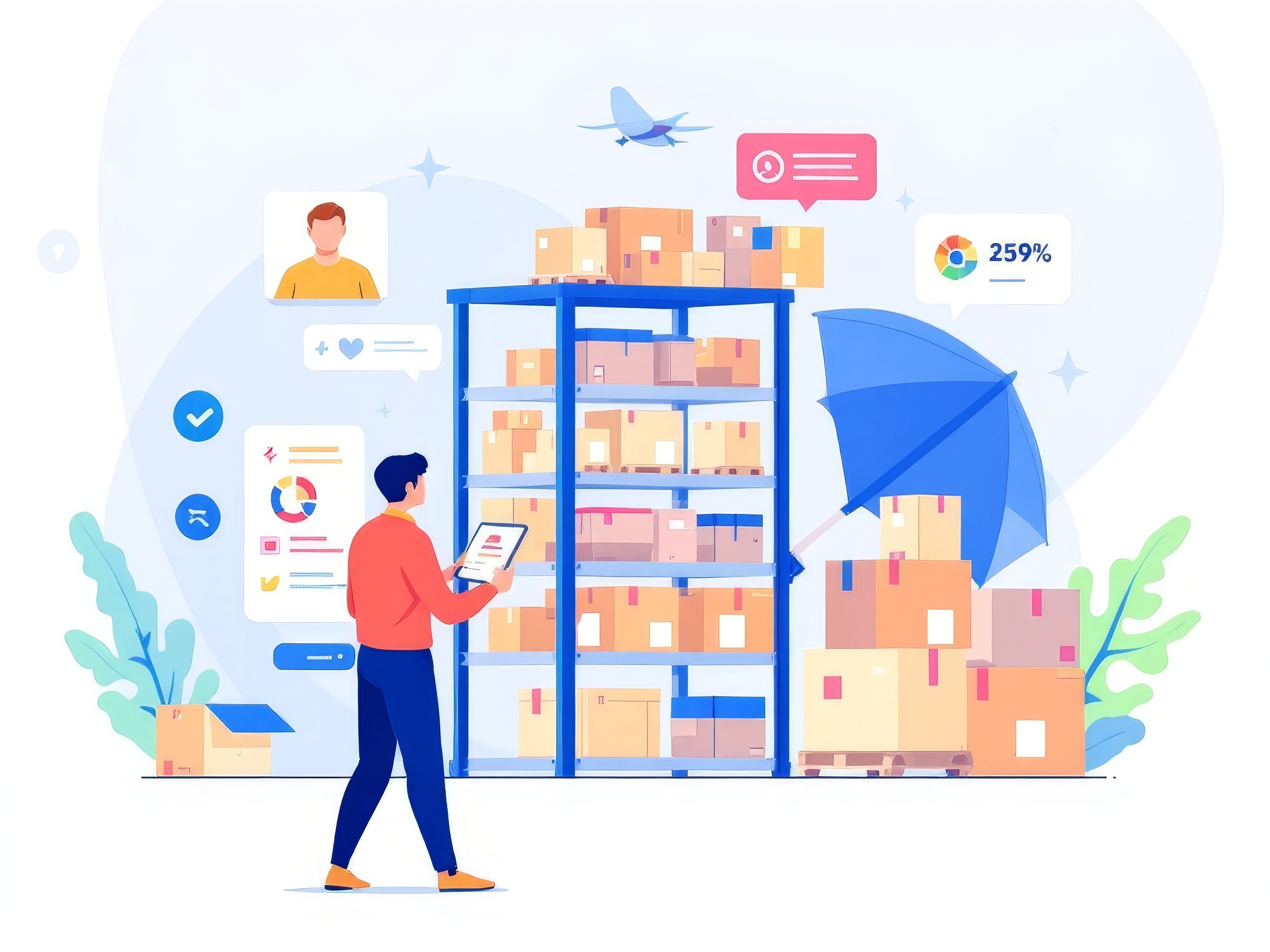
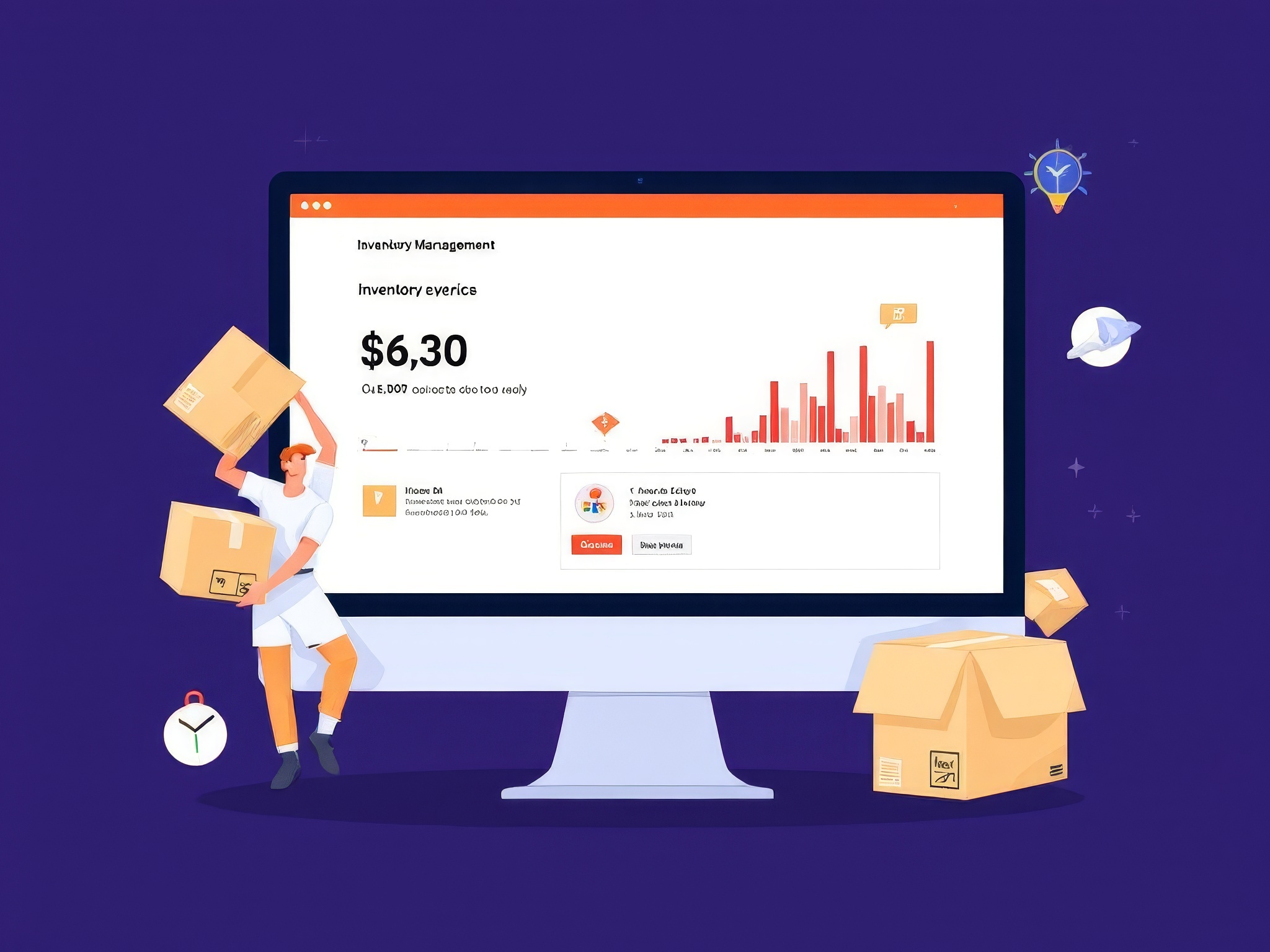
With inventory automation, you can track stock levels in real-time, making it easier to manage your products without manually counting every item. Automated inventory tracking systems can integrate with your Point of Sale (POS) system and update inventory levels instantly after each sale. This ensures that you always have an accurate picture of what’s in stock, reducing human error and the need for manual checks.
Automated Replenishment
With automated inventory replenishment, you can set thresholds for minimum stock levels. Once the stock reaches a certain point, the system will automatically reorder the necessary items. This reduces the risk of stockouts and ensures that you always have what your customers need.
Order Management Automation
Automation also simplifies the order fulfillment process. With integrated order management systems, you can automate order processing, fulfillment, and shipping. By connecting your inventory to your order management system and integrating it with marketing automation platforms, you can make sure that you’re always fulfilling orders promptly and efficiently, with accurate stock levels.
Integrating Marketing Automation Platforms for Smarter Inventory Management
While automation helps streamline your inventory processes, marketing mechanisation platforms can take your inventory optimization to the next level by aligning your sales and marketing efforts with your stock levels. Integrating these platforms with your inventory system can help create a more responsive and efficient workflow.
Customer Insights and Demand Forecasting
These platforms collect data on customer behavior, preferences, and purchasing patterns. When integrated with your inventory system, this data can provide valuable insights into future demand. By analyzing trends such as seasonal sales spikes, product popularity, and regional preferences, you can better predict which products to stock up on and when.
For example, if your marketing campaigns show a spike in interest for a particular product, marketing automation platforms can trigger an inventory alert to ensure that you have enough stock to meet the demand. By keeping stock levels in line with expected sales, you can avoid overstocking or understocking, which is crucial for optimizing your inventory.
In Stock Alerts
One of the key features of many marketing mechanization platforms is the ability to set up, in stock alerts. These alerts notify both your team and your customers when a product is back in stock. For your team, it’s a reminder to update inventory systems, ensuring that stock levels are properly managed. For customers, it provides a proactive communication channel, keeping them informed about product availability. This can significantly boost customer satisfaction and improve sales.
Cross-Channel Promotion
With marketing automation platforms, you can automate cross-channel promotions based on your inventory levels. For example, if you have excess stock of a particular product, your marketing platform can trigger an email campaign or social media post promoting that item to your target audience. This helps you move slow-moving stock and improve your inventory turnover rate.
Best Practices for Inventory Optimization
Optimizing your inventory involves much more than just integrating the right tools; it’s about adopting best practices that work for your specific business. Here are some strategies that can help you achieve optimal stock management:
Implement Real-Time Inventory Management Systems
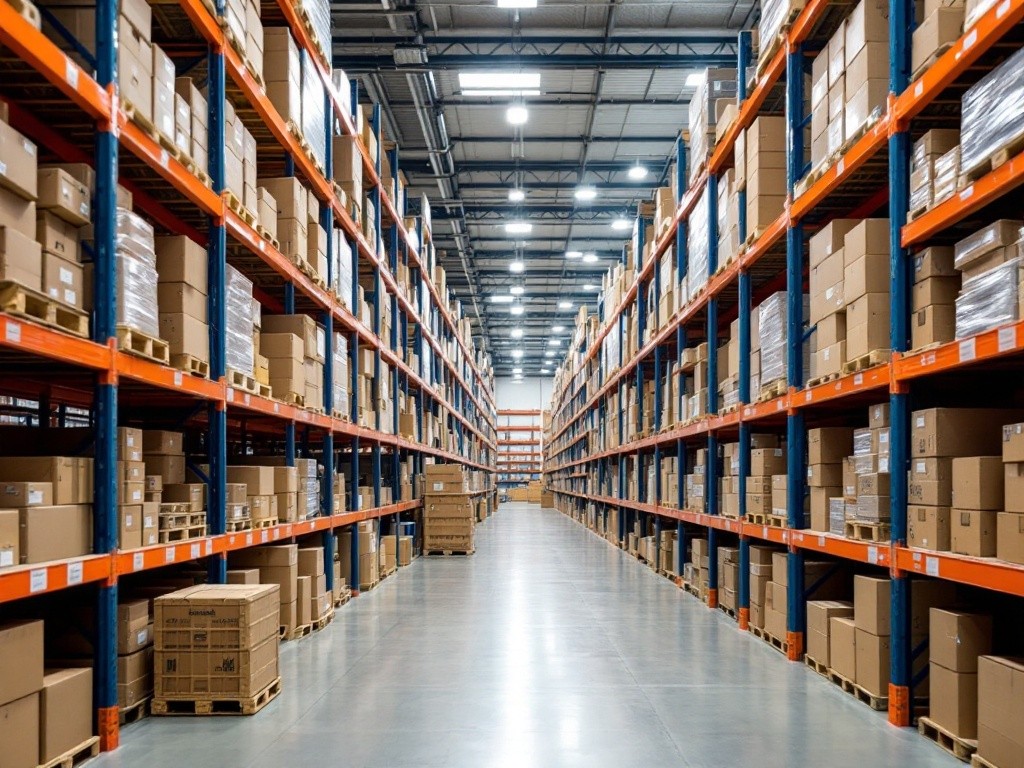
One of the best practices for inventory optimization is to use a real-time inventory management system. This ensures that you can track your stock as it moves in and out of your warehouse or store. Real-time systems provide an up-to-the-minute view of your stock levels, reducing the likelihood of stockouts or overstocking.
Regularly Review and Adjust Stock Levels
Stock optimization isn’t a one-time setup; it requires continuous monitoring. Regularly reviewing your stock levels and adjusting your minimum and maximum thresholds based on sales trends, seasonality, and promotions is essential. You should also analyze slow-moving items and consider discounts or bundling strategies to reduce excess stock.
Leverage Data Analytics
Using data analytics is crucial for improving inventory optimization. By analyzing sales data, market trends, and customer preferences, you can make informed decisions about your stock. You can use this data to forecast demand and make smarter purchasing decisions, ensuring that your stock levels are always aligned with customer needs.
Build Strong Supplier Relationships
Building strong relationships with your suppliers can significantly improve your inventory management. Reliable suppliers who can deliver products on time and in the right quantities are essential to maintaining optimal stock levels. By collaborating closely with your suppliers, you can create a more responsive supply chain and avoid stock outs or delays.
Final Words
Inventory optimization is an ongoing journey, not a destination. By continuously monitoring your inventory levels, analyzing data, and adapting your strategies, you can continuously refine your approach and achieve greater efficiency. Embrace the power of technology, and unlock the full potential of your inventory management processes.