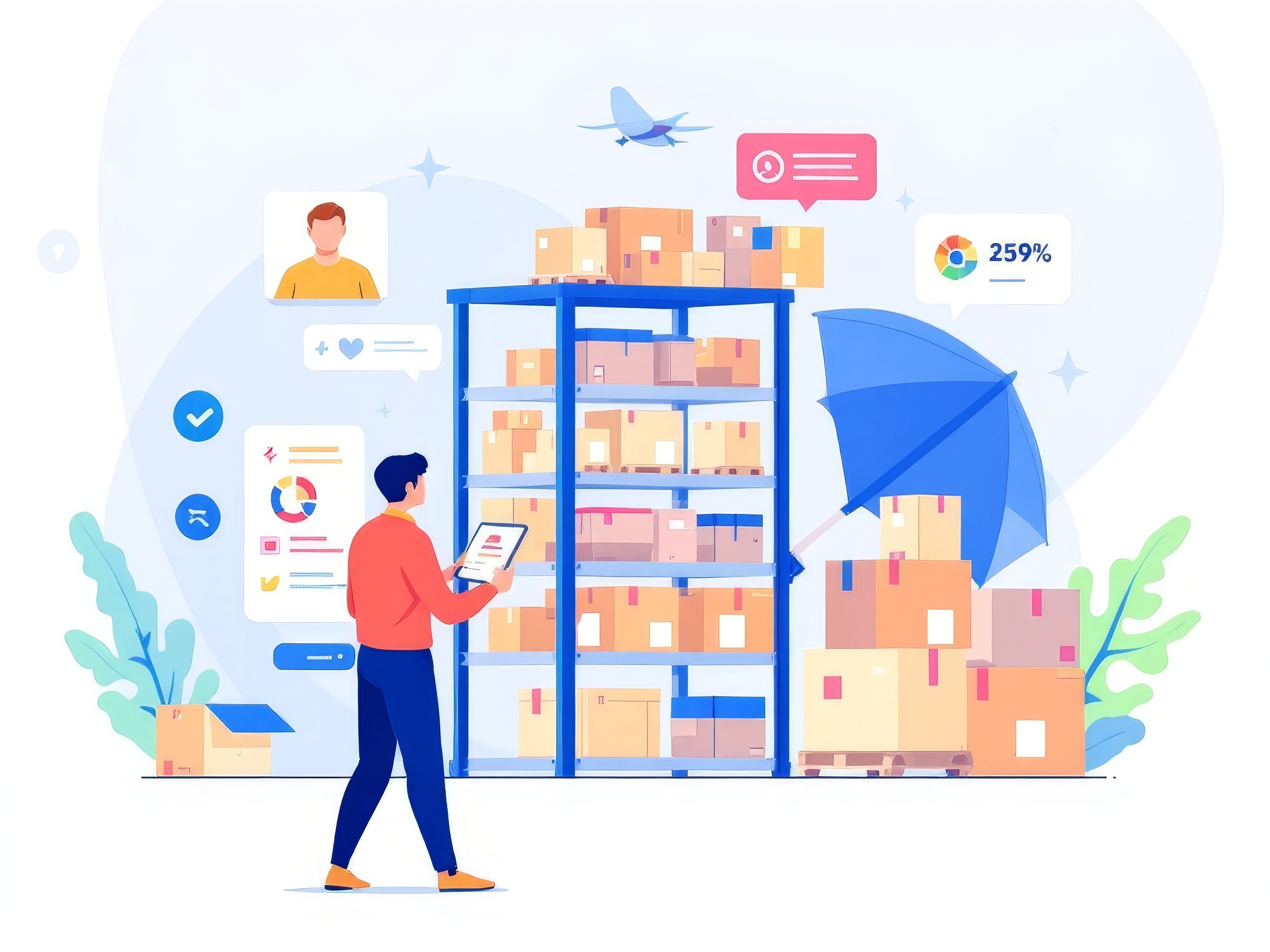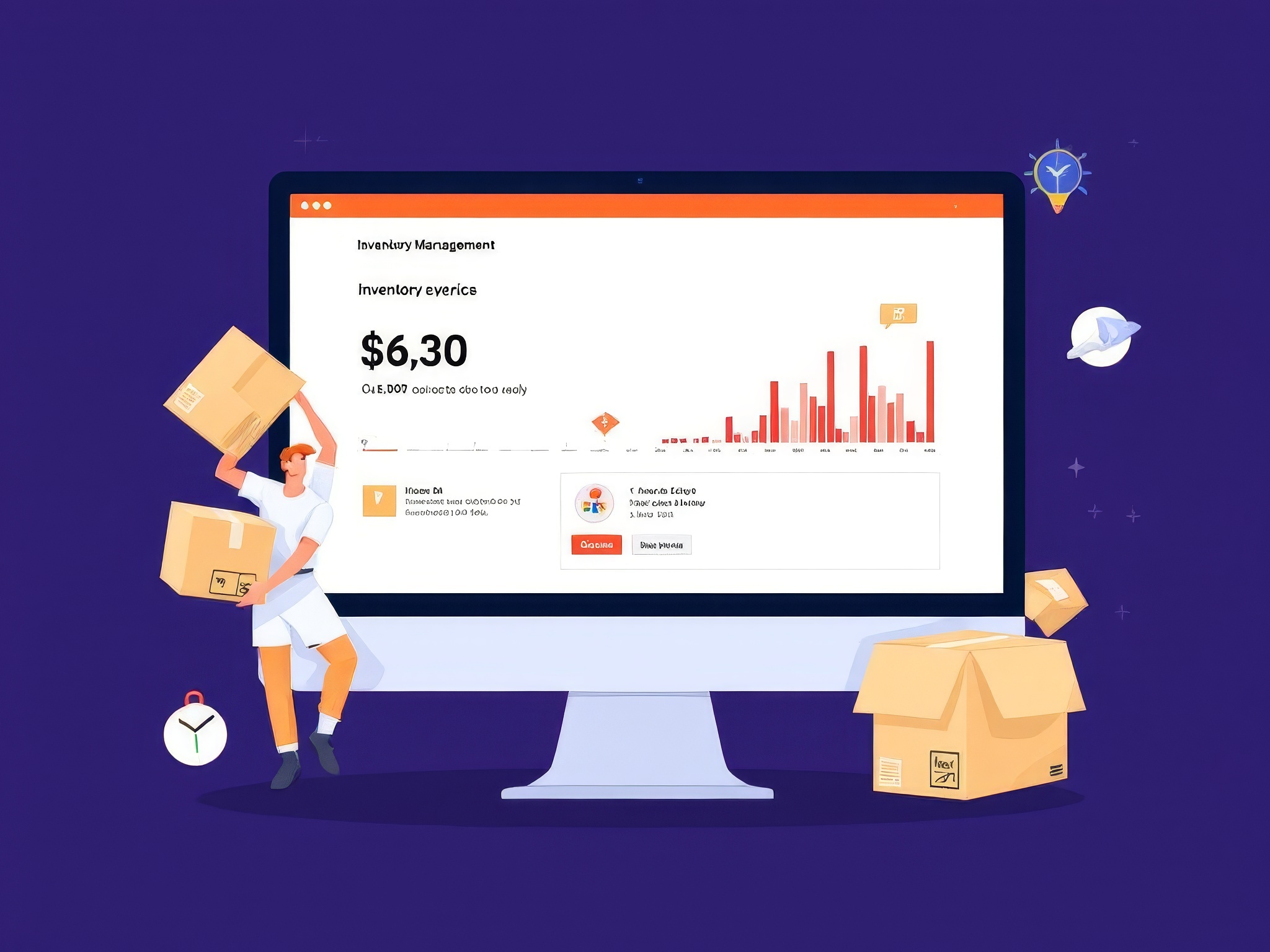
Did you know? Stockouts in physical stores can significantly drive consumers towards online channels, highlighting the importance of accurate inventory management for both brick-and-mortar and e-commerce businesses. Stock alerts are a game changer, when it comes to efficient inventory management. In this blog, you will get to know what inventory alerts and how you can use them to optimize your inventory management and consequently grow your business.
What Are Stock Alerts and How Do They Work?
Stock alerts are such systems which are used by businesses to stay updated when their warehouses are overstocked or understocked. These alerts help businesses monitor their stock in real time and take timely action to prevent overstocking or stockouts. The alerts can be customized based on your requirements, such as minimum stock levels, reorder points, or critical stock shortages. Typically, alerts work in conjunction with your inventory management software. Here’s how the process works:
Threshold Setting
You set minimum and maximum stock levels based on sales trends, lead times, and storage capacity. These thresholds act as a buffer to account for unexpected fluctuations in demand or supply chain delays.
Monitoring
The stock management system tracks stock levels continuously. Advanced systems can integrate with POS systems to ensure real-time updates and seamless data synchronization across all channels.
Notification
When stock reaches the set threshold, an alert is sent via email, SMS, or app notification. Some systems like the OutOfStockLAbs even provide predictive alerts, forecasting when inventory will run low based on historical data.
Action
You can then reorder supplies, investigate discrepancies, or adjust procurement schedules. By leveraging these notifications, you can implement proactive strategies to manage their inventory effectively.
Benefits of Using Stock Alerts for Inventory Management
Inventory alerts are one of the most critical aspects of effective inventory management:
Prevent Stock Outs and Lost Sales
Stock outs equal lost sales; the earlier a business realises this the better. Traditionally a business uses spreadsheets to keep track of the items in stock, raw material, sales etc. however this old system requires a lot of manual data entry and is prone to errors. On top of that, finding out the amount of items in stock or calculating the number of items needed is exhausting and is not efficient.
Business automation systems through the use of inventory alerts ensure that your inventory levels are replenished before they reach critical lows, minimizing the risk of stockouts. By analyzing the frequency and timing of alerts, you can also identify patterns in demand fluctuations, which allows you to better anticipate future needs.
Reduce Overstocking and Storage Costs
Overstocking means excess capital invested in inventory, which could have been used elsewhere. It also leads to wastage of resources, like unnecessary storage cost. When items are stored for a longer time, it runs the risk of depreciation or becoming obsolete. The risk is higher for businesses dealing with perishable goods.
With inventory optimization tools, you can avoid overordering by maintaining optimal stock levels. This leads to better cash flow management and reduces the risk of inventory obsolescence. Moreover, the ability to set customized thresholds for different products enables you to prioritize high-value or fast-moving items, further improving overall inventory efficiency.
Enhance Business Automation
Integrating alerts into inventory management systems automates routine tasks such as monitoring stock levels and placing reorder requests. This not only saves time but also reduces the likelihood of human error. Automation also allows you to scale your operations without a proportional increase in manual workload.
For e-commerce platforms, stock alerts can be integrated with online stores to automatically update product availability in real time. This ensures that customers are always presented with accurate information, enhancing their shopping experience.
Improve Supplier Relationships
inventory optimization tools can improve communication with suppliers by ensuring timely reorder requests. This leads to stronger relationships with vendors and better negotiating power for bulk purchases or favorable terms. Reliable reorder patterns also help suppliers plan their production and delivery schedules more effectively, creating a win-win situation for both parties.
Optimize Workforce Efficiency
By automating inventory management, the employees can focus on productive tasks rather than putting time and effort into something that isn’t productive. This improves overall productivity and allows for better allocation of resources. Teams can spend more time analyzing sales data, enhancing customer service, or exploring new market opportunities, all of which contribute to business growth.
How Stock Alerts Help with Effective Stock Management
Real-Time Inventory Visibility
Business automation provides real-time visibility into inventory levels, helping you make informed decisions. This visibility is particularly valuable for businesses with multiple warehouses or retail locations. With centralized inventory data, managers can quickly assess stock levels across all locations and redistribute inventory as needed to meet demand.
Data-Driven Decision Making
By analyzing trends and patterns in alerts, you can identify which products are fast-moving and which are slow-moving. This data can guide procurement strategies and marketing campaigns, ensuring a well-balanced inventory. For example, slow-moving items can be promoted through discounts or bundled offers, while fast-moving products can be prioritized for restocking.
The insights gained from effective stock management can also support demand forecasting, enabling you to anticipate future needs more accurately. This predictive capability is especially useful for seasonal businesses or industries with fluctuating demand.
Integration with Inventory Optimization Tools
When combined with advanced optimization tools, inventory alerts can further streamline operations. For example, integrating alerts with demand forecasting software can ensure that reorder points are dynamically adjusted based on changing market conditions. These tools can also provide detailed analytics, helping you identify inefficiencies and opportunities for improvement.
Reduced Waste and Sustainability
Overstocking often leads to waste, especially for perishable goods. Inventory alerts help you align your inventory with actual demand, reducing waste and contributing to sustainability efforts. By optimizing inventory levels, you can also reduce your carbon footprint associated with excessive production, transportation, and storage.
Sustainability is increasingly becoming a key factor for consumers, and businesses that adopt eco-friendly practices can enhance their brand image. Leveraging alerts to minimize waste is a practical step toward achieving this goal.
Enhanced Customer Satisfaction
Timely restocking ensures that customers can find the products they need when they need them. Satisfied customers are more likely to become repeat buyers, boosting loyalty and revenue. Stock alerts also enable you to proactively address potential stockouts, ensuring that customer expectations are consistently met.
Conclusion
Harnessing the power of stock alerts can make your business reach great heights, by streamlining your inventory management through the use of inventory management softwares you can make your business operations efficient.
Embrace the potential of inventory alerts today and unlock new levels of efficiency and profitability for your business. For an out-of-the-box experience, try out the latest OutOfStockLabs.