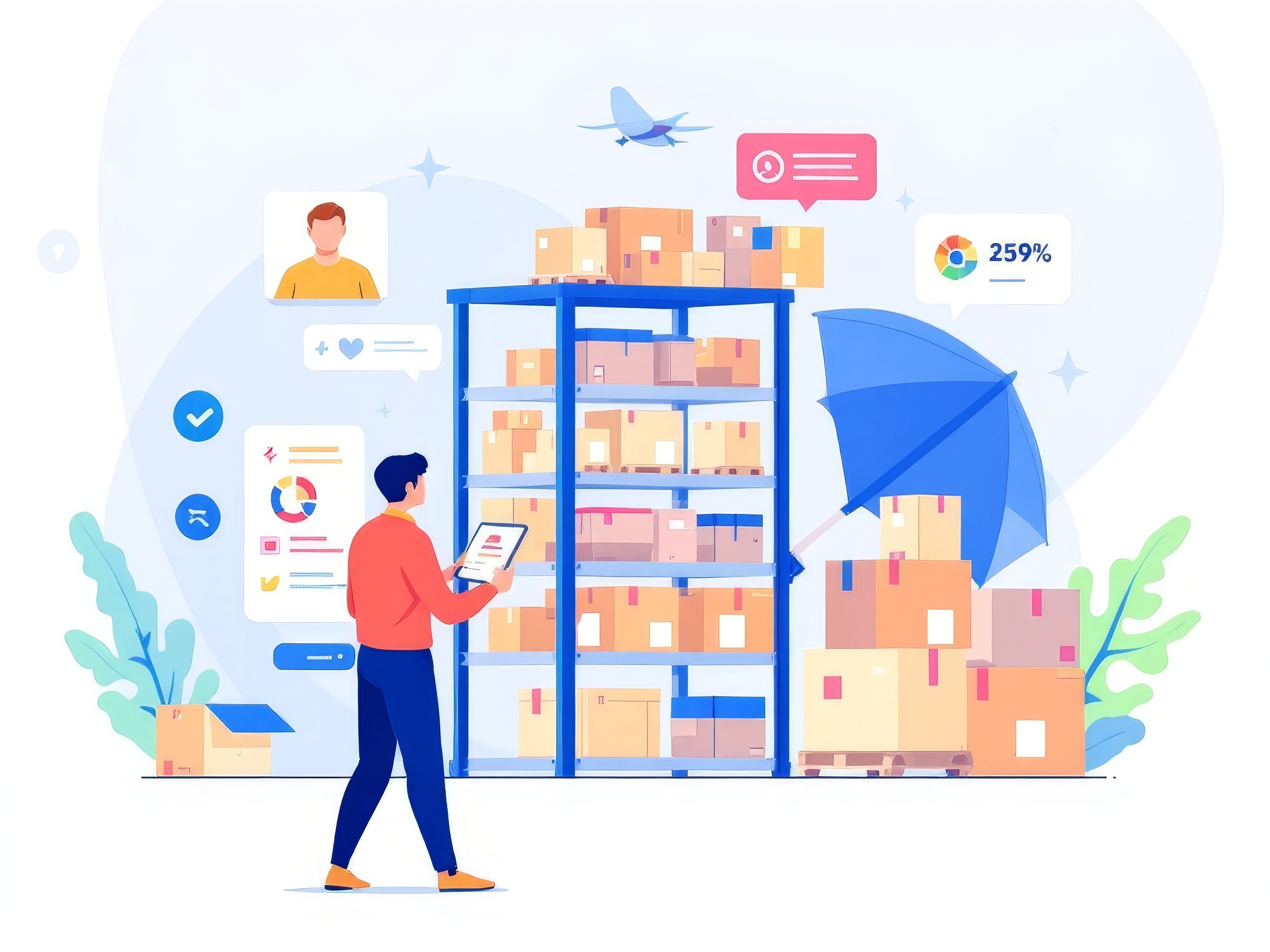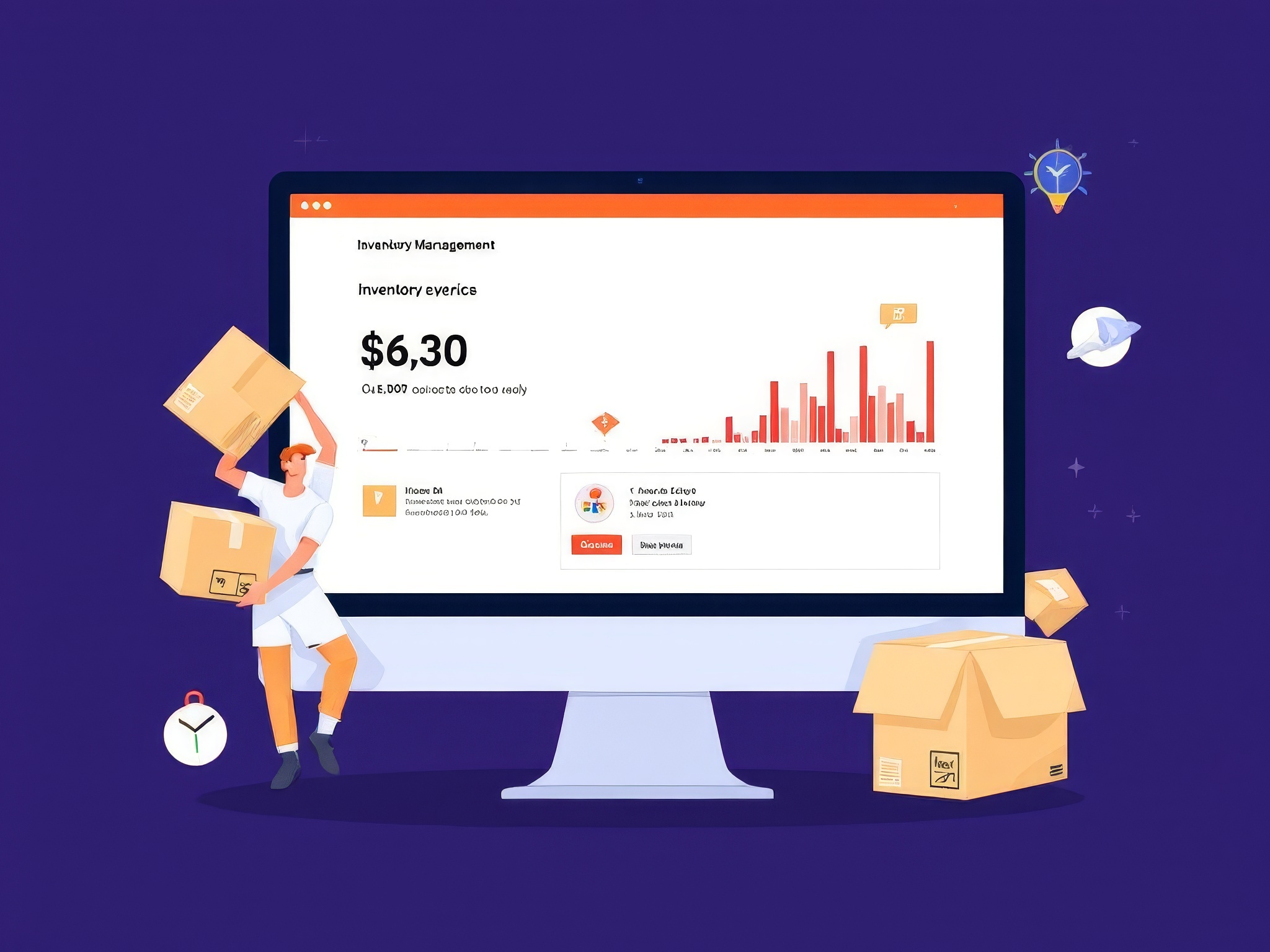
In today’s fast-paced business environment, efficiency is paramount. One of the most critical aspects that can determine whether a business succeeds or fails is how well it manages its inventory. If your business still relies on manual tracking, outdated methods, or spreadsheets to manage your inventory, it is high time to rethink your strategy. Inventory management solutions are no longer a luxury; they are a necessity for businesses that aim to stay competitive, scale operations, and maximize efficiency.
In this blog, we will explore why every business, large or small, needs stock management solutions, the role of marketing automation in inventory management, and how you can choose the right software for your needs.
Understanding Inventory Management Solutions and Their Functionality
An inventory optimization solution is a software tool designed to help businesses track, organize, and store their inventory. They automate tasks that traditionally required manual entry, such as counting stock, updating quantities, and handling orders. These tools substitute the traditional ways of managing inventory, which are not only time-consuming but also prone to human error.
Think about it—manually adding data into a system or spreadsheet takes a lot of time and energy. How much of your valuable employee time is being consumed by this monotonous task?
The main advantage of using such a software is that it provides real-time tracking and updates. No longer do you have to worry about outdated stock levels, overstocking, or running out of popular products. With features like in stock alerts and automated stock replenishment, these solutions ensure that your business operates smoothly and avoids common pitfalls that could cause delays or lost sales.
Without these solutions, you risk delays in order fulfillment, poor customer experience, and the constant need to correct inventory mistakes. The longer you delay implementing a solution, the more your business will suffer. Don’t let inefficiency be the reason you fall behind your competitors.
The Role of Marketing Automation Platforms in Inventory Management
Real-time Updates
Use of inventory organising softwares alongwith automation platforms, provides you with real time in stock alerts about low stocks and stock replenishment timelines. This will enable you to always maintain an optimal stock, making sure that you don’t lose customers on account of low stock.
Preventing Marketing of Out-of-Stock Products
With integration, you can ensure marketing campaigns only feature products that are in stock, avoiding frustrating customers with unavailable items.
Targeted Marketing Campaigns
Marketing automation platforms can use real-time inventory data to create personalized promotions, such as discounts on slow-moving products or flash sales for high-demand items, optimizing sales and inventory levels.
Enhanced Customer Engagement
By automating notifications and promotions based on inventory status, you keep customers informed and engaged, fostering loyalty and increasing the chances of conversion.
Optimized Inventory and Sales
inventory optimization solution helps adjust marketing efforts dynamically based on inventory data, improving the alignment between what is being marketed and what is available for sale, ultimately preventing stock outs or overstocking.
Choosing the Right Inventory Management Solution for Your Business
Now that you understand the importance of inventory organizing solutions and their role in optimizing your business operations, how do you choose the right one for your business?The market is flooded with options, and finding the right solution can be overwhelming. Here are some factors that will help you make an informed decision:
Scalability
As your business grows, your inventory management needs will change. Ensure that the software you choose can grow with you, allowing you to easily scale operations as your business expands. A solution that works for a small shop might not be suitable for a larger enterprise. Choose a solution that supports multiple locations, warehouses, product categories and can also be used like marketing automation platforms.
Ease of Use
Inventory management should not require hours of training. Look for a user-friendly solution that your employees can learn quickly. The easier the system is to use, the less time your staff will waste on managing inventory and the more time they can spend on customer service or other value-driven activities.
Real-Time Tracking
Real-time tracking is non-negotiable. Your software should provide real-time updates on stock levels, sales, and orders, so you can make informed decisions on the fly. This functionality prevents overstocking or running out of critical items, ultimately helping you maintain customer satisfaction.
Integrations with Other Tools
Your inventory management solution should integrate seamlessly with your other business tools, such as accounting software, e-commerce platforms, and marketing automation. This allows for a smooth flow of data across departments and ensures that everyone is on the same page.
Automation Features
A stock optimization solution is only effective if it automates tasks like stock alerts, order processing, and reordering. The more automated the system, the fewer manual interventions are required, reducing the likelihood of errors.
Support and Training
No system is perfect, and you’ll need support at some point. Choose a solution that offers excellent customer support, including training resources and troubleshooting assistance.
With these factors in mind, you can confidently select a solution that suits your business needs. However, remember that in today’s competitive market, every moment you delay implementing a robust management solution costs you in efficiency, sales, and customer satisfaction.
Final Words
The importance of inventory management solutions cannot be overstated. Businesses that still rely on outdated methods are putting themselves at a severe disadvantage. By investing in a robust management software, you’re not only streamlining operations but also improving your marketing, optimizing stock levels, and enhancing the overall customer experience.
If you haven’t yet adopted a stock management solution, now is the time to make the change. The longer you wait, the more you risk losing to competitors who are already taking advantage of these tools to maximize efficiency and stay ahead of the game. Make the move now—your business’s future depends on it.