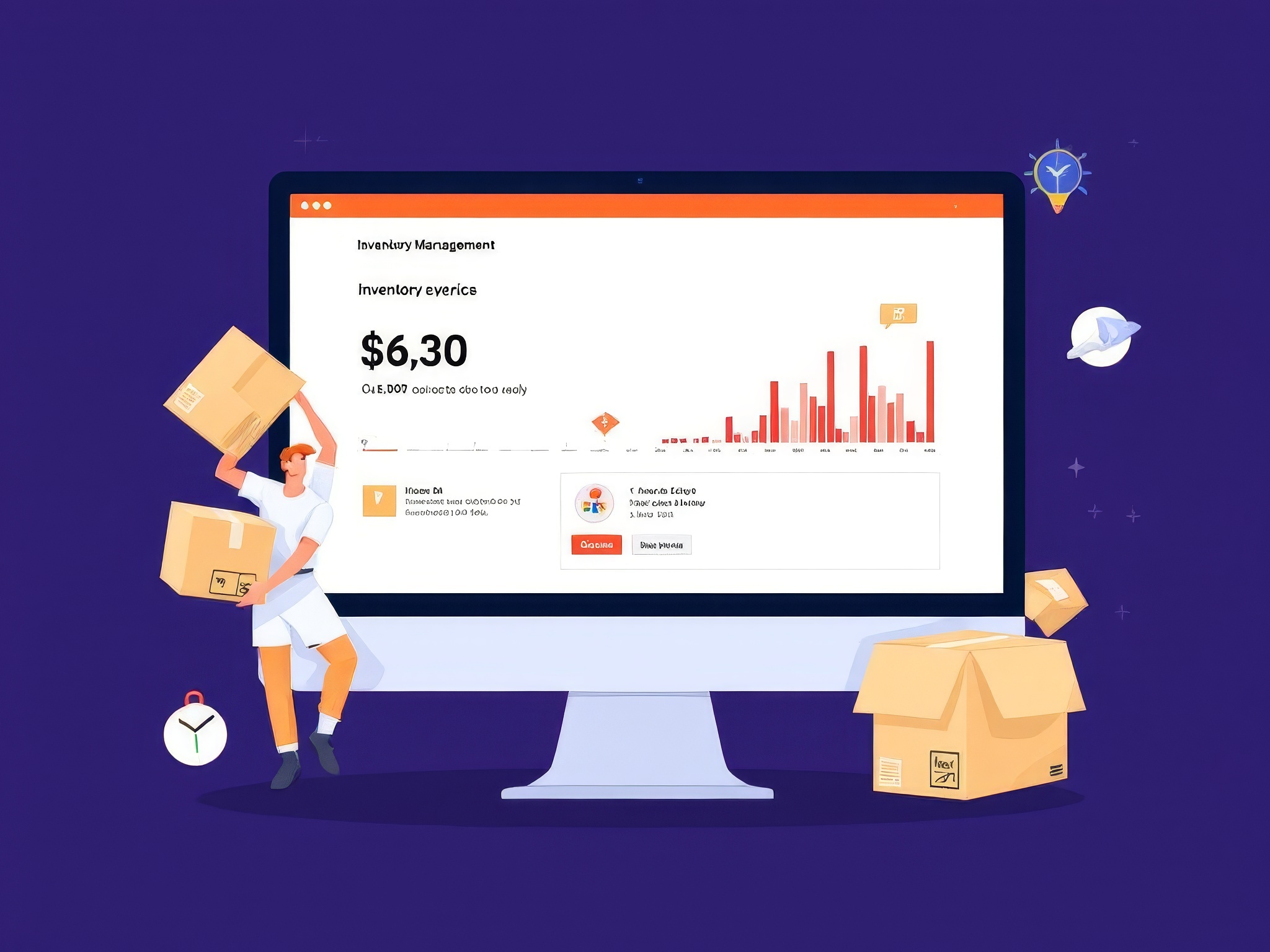
Isn’t it frustrating? Keeping track of every single item that comes in and out of your inventory. If you are using traditional systems used to manage inventory, which takes hours of monotonous work of data entry which is not even error proof, then you know the pain that is stock management. Making use of the modern softwares that are designed to optimize your inventory organization can rid you of this hassle and optimize your business operations.
In this blog, you will get to know how you can optimize your stock administration and how to leverage, in stock alerts to optimize your business.
What is Stock Management and Why It Matters?
Stock management is the process of ordering, tracking and storing items that are needed by a business. It encompasses items that form a part of:
- Stock of finished goods
- Work-in-progress
- Raw material
- Daily use items
- Repair and maintenance items
Administration of stock ensures that the business has just the right amount of inventory available at all times, not more, not less. Proper management of inventory is essential for the smooth functioning of a business.
A business needs products to function. It is as simple as that. A business will perform better when the right things are available at the right time. It also improves customer experience, when they receive everything at the time when they demand it.
Common Challenges in Stock Management
Many businesses struggle with:
- Inaccurate Stock Levels: Without real-time updates, it’s easy to lose track of inventory.
- Demand Fluctuations: Sudden spikes or drops in demand can lead to overstocking or stockouts.
- Manual Processes: Managing stock manually is time-consuming and prone to human error.
These challenges make it essential to implement tools and solutions that automate and optimize your stock management processes.
The Importance of In Stock Alerts in Stock Management
Imagine a customer visiting your Shopify store, eager to purchase, only to find that their desired product is out of stock. This scenario not only results in lost sales but can also tarnish your brand reputation. In stock alerts are a powerful tool to prevent such situations.
How In-Stock Alerts Work
stock alerts notify you in real time when a product’s inventory levels fall below a specific threshold. For instance, you can set alerts to trigger when there are fewer than 10 units of a popular item in stock.
These alerts are seamlessly integrated into your inventory management system, ensuring you’re always aware of stock levels and can reorder items before they run out.
Benefits of Using In-Stock Alerts
- Increased Sales: Avoid stockouts and ensure customers can purchase what they need.
- Proactive Reordering: Stay ahead of demand and restock before inventory runs low.
- Improved Planning: Gain insights into which products sell the fastest, helping you prioritize restocking efforts.
- Enhanced Customer Trust: Shoppers appreciate a store that consistently has products available.
To get the most out of in-stock alerts
- Set reorder points based on historical sales data and seasonal trends.
- Regularly review and adjust thresholds for popular or fast-moving items.
- Use alerts alongside forecasting tools for better demand planning.
Leveraging Inventory Management Solutions for Smarter Stock Control
Inventory management solutions are designed to simplify and optimize how you manage stock. These tools go beyond basic tracking, providing advanced features that save time, reduce errors, and boost overall efficiency.
Features of Inventory Management Solutions
- Real-Time Tracking: Get instant visibility into your stock levels across multiple channels and locations.
- Demand Forecasting: Predict future sales trends based on historical data, helping you avoid overstocking or stockouts.
- Automated Reordering: Set rules to automatically reorder products when stock reaches a predefined limit.
- Multi-Channel Integration: Sync inventory across all your sales platforms, including Shopify, Amazon, and physical stores.
- Reporting and Analytics: Gain insights into sales performance, inventory turnover, and profit margins.
Why Your Business Needs Inventory Management Solutions
Without automation, inventory management can become overwhelming, especially during peak sales periods. By implementing a management solution, you can:
- Reduce the time spent on manual stock updates.
- Minimize costly errors, such as double-selling or running out of stock.
- Align your inventory levels with customer demand, maximizing revenue and minimizing waste.
Examples of Inventory Management Tools
Some popular solutions for Shopify users include OutOfStockLabs, Cin7, and Zoho Inventory. Each offers unique features tailored to different business needs, making it easy to find the right fit for your store.
Enhancing Stock Management with Marketing Automation Platforms
Marketing automation platforms are a hidden gem when it comes to optimizing the management systems of a business. While these tools are often associated with email campaigns and ads, they also play a significant role in inventory control and customer engagement.
Integrating Stock Data with Marketing Automation
When integrated with your inventory system, marketing automation platforms can:
- Notify Customers of Restocks: Automatically send emails or SMS alerts to customers when a previously out-of-stock item becomes available.
- Personalize Recommendations: Suggest products based on what’s in stock and the customer’s browsing history.
- Optimize Advertising Campaigns: Ensure ads only feature products that are currently in stock.
Benefits of Marketing Automation for Stock Management
- Improved Customer Experience: Keep customers informed and engaged with timely notifications.
- Higher Conversion Rates: Encourage purchases by promoting in-stock items tailored to customer preferences.
- Reduced Wasted Ad Spend: Avoid promoting products that are unavailable, maximizing your return on investment.
Real-World Applications
For example, a Shopify store selling apparel can use marketing automation to send back-in-stock emails for popular sizes or colors, ensuring customers don’t miss out. Similarly, dynamic ads on platforms like Facebook or Google can be updated to showcase only available products, improving ad relevance and effectiveness.
Final Words
Effective stock management is the backbone of a successful e-commerce business. By staying proactive and leveraging the right tools, you can ensure that your inventory aligns with customer demand. Investing in robust management practices today will set the foundation for sustained growth and efficiency in your business operations. OutOfStockLabs is one of the best softwares available out there, check out this amazing software now.