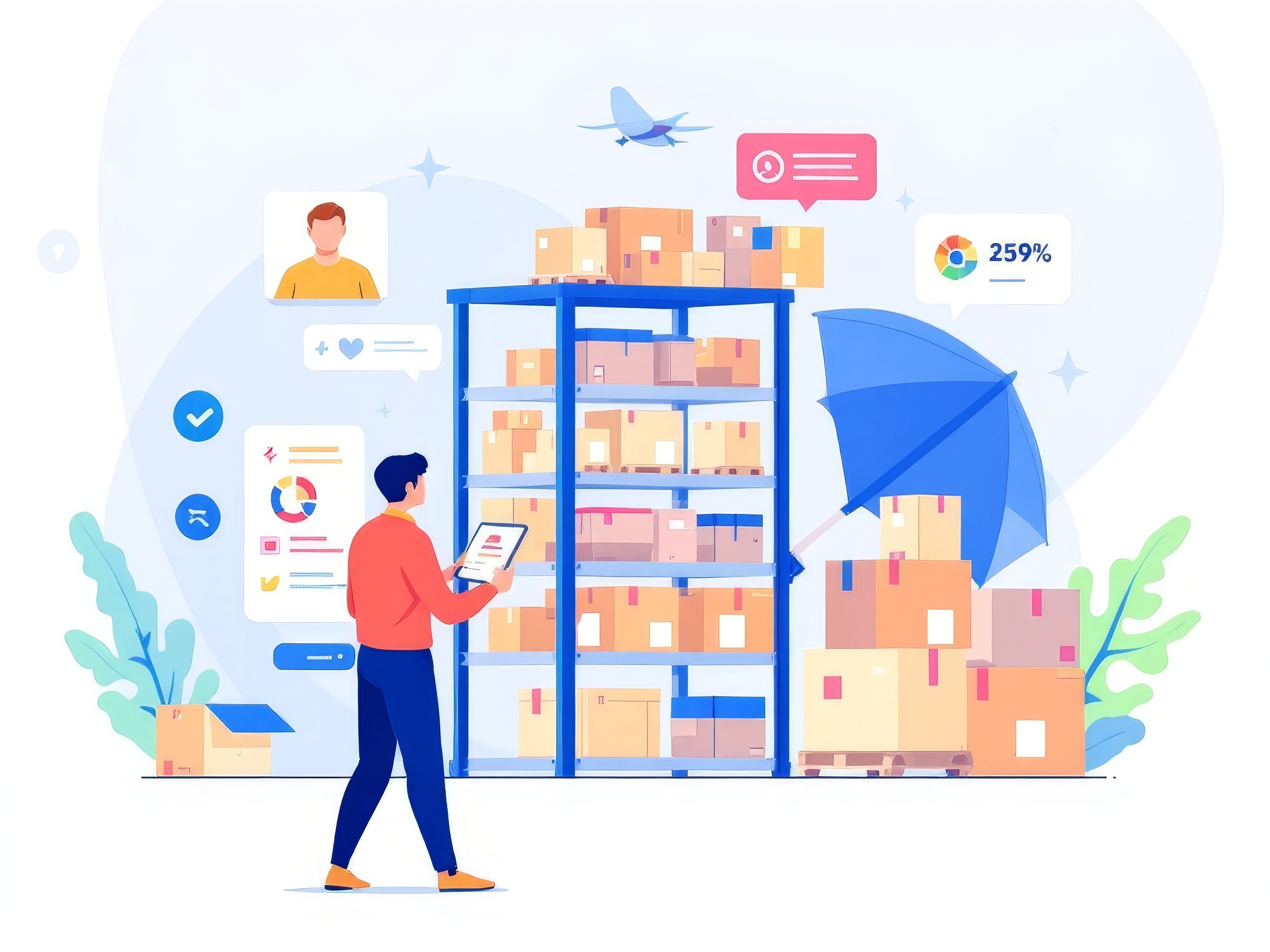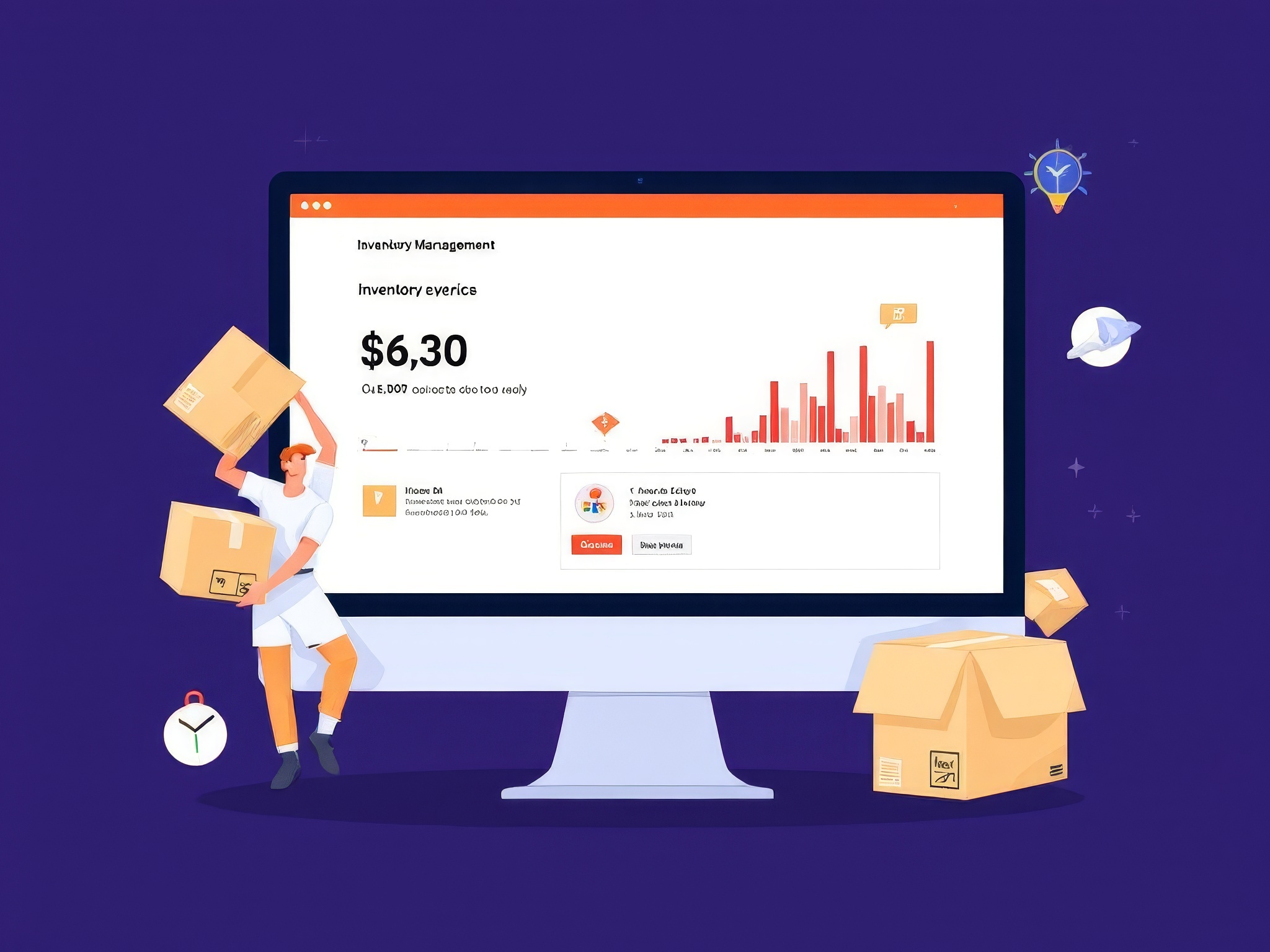
Managing inventory can be a daunting task, especially when you’re balancing product availability, demand forecasts, and timely deliveries. However, integrating, in stock alerts into your inventory administration system can help simplify operations and automate much of the process. In this blog, we’ll explore why stock alerts are essential for efficient inventory administration, how they integrate with stock management solutions, and how they can drive business mechanisation.
What Are In-Stock Alerts?
In stock alerts are notifications that trigger when your inventory hits a set threshold, signaling that it’s time to restock or reorder. These alerts are invaluable for ensuring that you don’t run out of critical products or overstock items that aren’t moving. When integrated into a stock management system, stock alerts eliminate the need for constant manual tracking.
For instance, apps like OutOfStockLabs offer customizable alerts, letting businesses set stock levels and determine how they want to receive notifications—whether through email, SMS, or app notifications. This flexibility allows you to take a proactive approach to managing your inventory.
Why In-Stock Alerts Are Crucial for Inventory Optimization
Stock alerts are not just about avoiding stockouts. They’re a key tool for optimizing your inventory, bringing several benefits to your business.
Improved Inventory Accuracy
Receiving alerts when stock is low helps keep your inventory accurate and up-to-date, minimizing human errors or lapses in oversight. This ensures you’re always maintaining the right stock levels—no more overstocking or understocking. Accurate inventory data also boosts forecasting models, helping you predict future demand more effectively.
With inventory optimization in hand, you can prepare better for seasonal shifts or unexpected demand spikes, preventing costly emergency orders or expedited shipping.
Cutting Holding Costs
Excess inventory can tie up precious capital and lead to unnecessary storage fees. In-stock alerts help you maintain the right stock levels, saving money on surplus goods. By avoiding overstocking, you free up cash flow that can be reinvested into areas like marketing or product development.
Effective inventory management also means you won’t need large storage spaces, leading to cost savings in rent, insurance, and utilities.
Preventing Stock Outs and Missed Sales
Stockouts can lead to lost sales, disgruntled customers, and damage to your reputation. In stock alerts notify you when stock is running low, allowing you to reorder products in time to avoid running out. This ensures you can meet customer demand without delays.
By staying ahead of potential stockouts, you reduce the likelihood of backorders or cancellations, keeping customers happy and your brand reputation intact.
Improved Operational Efficiency
In-stock alerts are a crucial component of automating inventory management. Instead of manually tracking stock levels, these alerts save you time and reduce errors. This allows your team to focus on more strategic tasks, like restocking other items or improving customer service.
This operational efficiency leads to smoother business processes and helps reduce employee stress during peak seasons, boosting morale and productivity.
How In-Stock Alerts Integrate with Inventory Management Solutions
In-stock alerts are most effective when incorporated into a broader inventory management solution. They work hand-in-hand with other features like demand forecasting, analytics, and automation to streamline your entire inventory system.
With real-time visibility into your stock levels, platforms like Zoho Inventory or TradeGecko enable you to track product availability and make data-driven decisions. By combining in-stock alerts with analytics, you can predict future needs and automate reorder processes when stock reaches a specific threshold.
These alerts integrate seamlessly with order management systems, e-commerce platforms, and POS systems, creating a unified system that keeps everything in sync. This centralized approach ensures that your products are always available, no matter the channel or location.
How In-Stock Alerts Drive Business Automation
Implementing in-stock alerts is a step toward full business automation. These alerts reduce the need for manual stock checks and make your business more agile and responsive to shifts in demand.
Automated Reordering
In-stock alerts can trigger automatic reorder requests once stock dips below a certain level. This removes the need for manual checks, ensuring timely restocking without human intervention. When your inventory management solution is linked to suppliers, it can automatically generate purchase orders, ensuring your stock levels stay consistent.
Automated reordering not only saves time but also eliminates the chance of forgetting to restock, so your business can focus on growth and enhancing customer service.
Data-Driven Decisions
In-stock alerts provide valuable data on trends, sales, and demand. This data helps you anticipate future needs, making your business more adaptable to market changes. Armed with business automation, you can make smarter decisions about what products to carry, when to reorder, and how to price items.
For example, if you notice a rise in demand for a particular product, you can increase stock levels before your customers run into shortages. On the flip side, slow-moving products can be discounted or phased out, optimizing your inventory for profitability.
Optimized Resource Allocation
Automating inventory tracking and reordering through in-stock alerts frees up your team’s time to focus on higher-priority tasks. Rather than spending time manually tracking stock levels, your team can concentrate on marketing, sales, or customer service.
Inventory management solutions improve overall productivity and enable your business to be more responsive and efficient.
Conclusion
In stock alerts, they are more than just reminders to reorder—they’re a vital tool in stock optimization and automation. By integrating these alerts into your inventory administration, you can reduce excess stock, prevent stockouts, and maintain inventory levels that align with customer demand.
With the right solution in place, stock alerts help streamline your business processes, boost customer satisfaction, and enhance profitability. They not only improve efficiency but also help position your business for long-term success in a competitive market.
By embracing automation and stock alerts, your business can operate smarter, not harder, and focus on what matters most: growth and customer satisfaction.